Album Story
The album moves like a passport full of flexes, detours, and one very bad idea
Call Me If You Get Lost is not one strict movie plot from track one to track sixteen. It behaves more like a travel diary: some entries are pure flex, some are postcards, some are emotional spill, and one of them turns into a painfully direct confession. The through-line is simple enough: motion is easy, clarity is not.
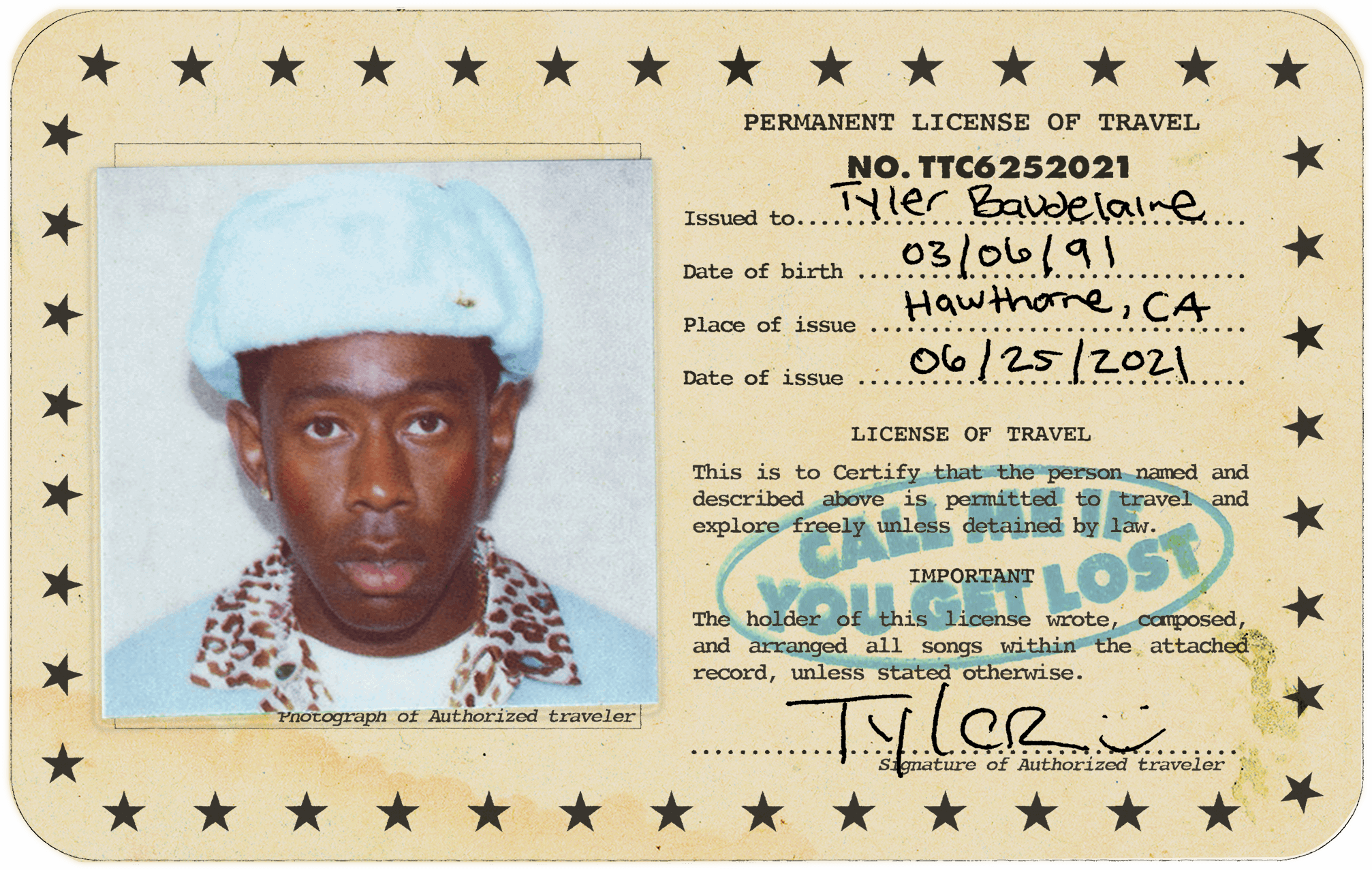
Album Story
Call Me If You Get Lost Story Guide
It has a route, not a screenplay
The record keeps circling the same knot: desire, ego, motion, and the fact that none of them cancel the others out.
The love story is loose until it is suddenly not
Tracks like WusYaName and Sweet feel dreamy. Wilshire is where the fog lifts and the consequences finally show up.
The ending sounds larger than life, not fully settled
Safari closes with force, but it does not wipe away the loneliness and pettiness that showed up earlier.
Route Map
What kind of story is this?
The most useful way to hear CMIYGL is as a loose narrative album with several different registers. Some songs exist to announce status, taste, and momentum. Some work like travel scenes. Some carry the emotional plot. Listeners argue about whether there is a story because both instincts are right: not every track advances one clean plot, but the album keeps returning to the same emotional territory.
One fan reading hears a road-trip record where the movement itself is the point. Another hears a love triangle that comes into focus in fragments before Wilshire says the quiet part out loud. Put those together and the structure makes more sense: Tyler Baudelaire is a man with access, taste, and mobility, but that mobility never gives him command over the relationship he wants.
Flex tracks
Sir Baudelaire, Corso, Lumberjack, Juggernaut, and Safari keep the passport stamped with money, swagger, and velocity.
Travel tracks
Hot Wind Blows and several side references to boats, flights, Cannes, and Geneva keep the world in motion even when the emotional center stays stuck.
Confession tracks
WusYaName, Sweet / I Thought You Wanted to Dance, and Wilshire pull the mask down far enough to show what the motion has been hiding.
Scene By Scene
A rough route through the record
Sir Baudelaire, Corso, Lumberjack
The first stretch establishes the character. He is rich, mobile, funny, and deliberately hard to box in. The point is not subtlety. The point is presence.
WusYaName
This is where travel becomes courtship language. Instead of vague longing, the record starts naming what Tyler can offer: access, movement, taste, fantasy.
Hot Wind Blows, Massa, RunItUp
The middle run widens the road. The album feels airborne, international, and self-assured. It also gets more interested in freedom as a lifestyle than freedom as emotional truth.
Sweet / I Thought You Wanted to Dance
This is the record's longest emotional exhale. First comes sweetness and mutual glow. Then the second half sours into distance, resentment, and the feeling that timing has gone rotten.
Wilshire
Wilshire is the blunt narrative spine. The album stops decorating itself long enough to describe the mess: attraction, secrecy, loyalty, ego, and damage to more than one relationship.
Safari and The Estate Sale
Safari restores the giant posture, but the album has already shown what sits beneath it. The Estate Sale later feels like extra rooms left unlocked after the party.
The Knot
Wilshire is the hinge of the whole album
Plenty of albums have a confessional centerpiece. Wilshire stands out because it strips away the production games and travel-luxury glow that have been carrying the mood elsewhere. Tyler narrates his own bad judgment with enough detail that the flexing around it starts to read differently in hindsight.
After Wilshire, the album's travel world feels less like pure fantasy and more like emotional staging. The bags, cars, passports, and boats were never fake pleasures. They just were never enough to settle the actual conflict.
- It makes the earlier flirtation tracks feel riskier.
- It reframes confidence as something close to damage control.
- It reveals the best-friend angle as a source of guilt, not just drama.
- It keeps the album from becoming a simple luxury mood board.
After Hours
What The Estate Sale changes
The Estate Sale does not replace the original route. It behaves more like a late-night annex: extra flexes, extra texture, and evidence of how much material Tyler had in the room while making the album.
That matters because it confirms the record's abundance. CMIYGL was never short on ideas. If anything, The Estate Sale proves the world was wider than the final 2021 track list let on.
Quick Answers
A few things worth clearing up
Is there one strict story everyone agrees on?
No. The album supports a few solid readings. The safest one is that it mixes status records, travel records, and a relationship story that becomes explicit in key tracks rather than every track.
Is Wilshire the main plot point?
Yes. It is the clearest narrative center on the record and the track most listeners return to when they want the emotional facts instead of the mood.
Do the brag records still belong to the story?
They do. They build the Tyler Baudelaire persona and show how confidence, access, and taste become part of the album's emotional camouflage.
Does The Estate Sale change the ending?
Not really. It expands the world and extends the mood, but the original emotional shape of the album is still intact.
Keep Reading
More CMIYGL pages
Story, motifs, visuals, and practical card-making notes live here.
What the passport world means
Travel, luxury, escape, performance, and the point where getting lost stops sounding glamorous and starts costing something.
Read the meaningThe visual grammar
A breakdown of the ID card, the stamp, the serial number, the colors, and the paper-textured world around them.
Open the field guideMake a card that lands
Portrait setup, text length, color choice, and a few moves that keep the card feeling sharp instead of overworked.
Use the guide